
For Stephanie
Grief is love's last offering. We owe it to our loved ones to feel it. And that's why I want to tell you that Stephanie Hill was here, and she mattered to me.

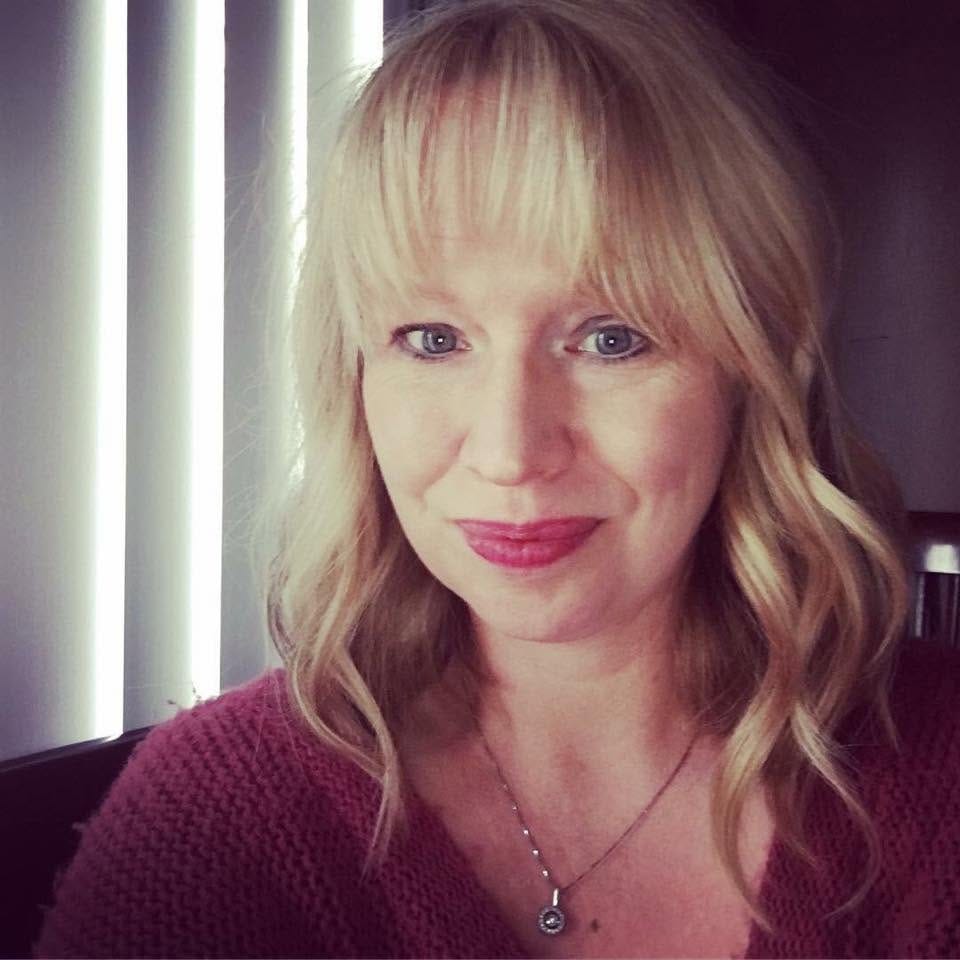
If you would like to help Stephanie’s children with a donation, however small or large, the link is here.
The world is filled with precious lives, everywhere you look. Every single person you pass contains a rich inner world, a lifetime’s worth of hopes and dreams, complexity, and potential. We are each miracles, all special, all vital to someone.
This is the most important lesson I learned from my cousin Stephanie, who found beauty and joy in the smallest creatures and the most fleeting of moments. Stephanie lived a quiet, humble, superficially ordinary life, and now that life has ended.
I want you to know that she was here, and that like every living being you see today or any other day, her life was immense and full, and her loss is unfathomable.
No one thought Stephanie was going to die. She was first diagnosed with breast cancer in 2021, and swiftly beat it, protesting injustice and volunteering to help others all the way through.
It seems like a triumph, but to Stephanie, defeating cancer felt like bottomless grief. Cancer opened her eyes to how cruel people can be, how aggressively our medical system turns people into profits, and to the fact that patriarchy really does see women only as useful objects.
The marriage she once viewed as happy crumbled. She came to see her husband as someone who could only be kind if she deferentially reflected his narcissistic image back to him. As long as she was praising him and stroking his ego, he could be kind. When she needed something, though, he couldn’t show up. And when she grew, wanted to do more, wanted to expand beyond the role of wife and mother, he saw it as an affront.
That’s a familiar story to millions of women, who invested deeply in something that turned out not to exist.
Stephanie was later diagnosed with another cancer, and then another, and her husband divorced her in the middle of treatment. He continued to demand credit, attention, and affection for the rest of her life, including when she was on her death bed.
He’ll get none here.
After their divorce, Stephanie began to bust out of the shell patriarchy had given her to live in, growing, building community, and never again not speaking her mind.
Almost as quickly as we saw her begin to blossom, the cancer came back. First we thought it was curable again, then treatable, then we at least thought it would be possible to prolong her life.
A few weeks ago, we had a video call among us cousins, and Stephanie told us about her six-mile walk through pollinator gardens. She seemed happy, excited about the summer, and very excited about my book. For years she was my biggest cheerleader.
Two days later, the call came that her liver was shutting down and that death was imminent. It didn’t make sense. How could this person who was so full of life be slipping away from us? How was it that we didn’t even know it was happening?
I drove to her state to see her several times. On our last visit, my youngest child performed a ridiculous recital that she titled “Lights Out” for Stephanie. Stephanie laughed so hard she cried. It was a perfect day together. I hugged her tightly and told her we would see her the next day.
The next day, she was too sick to have visitors. And then she was dead.
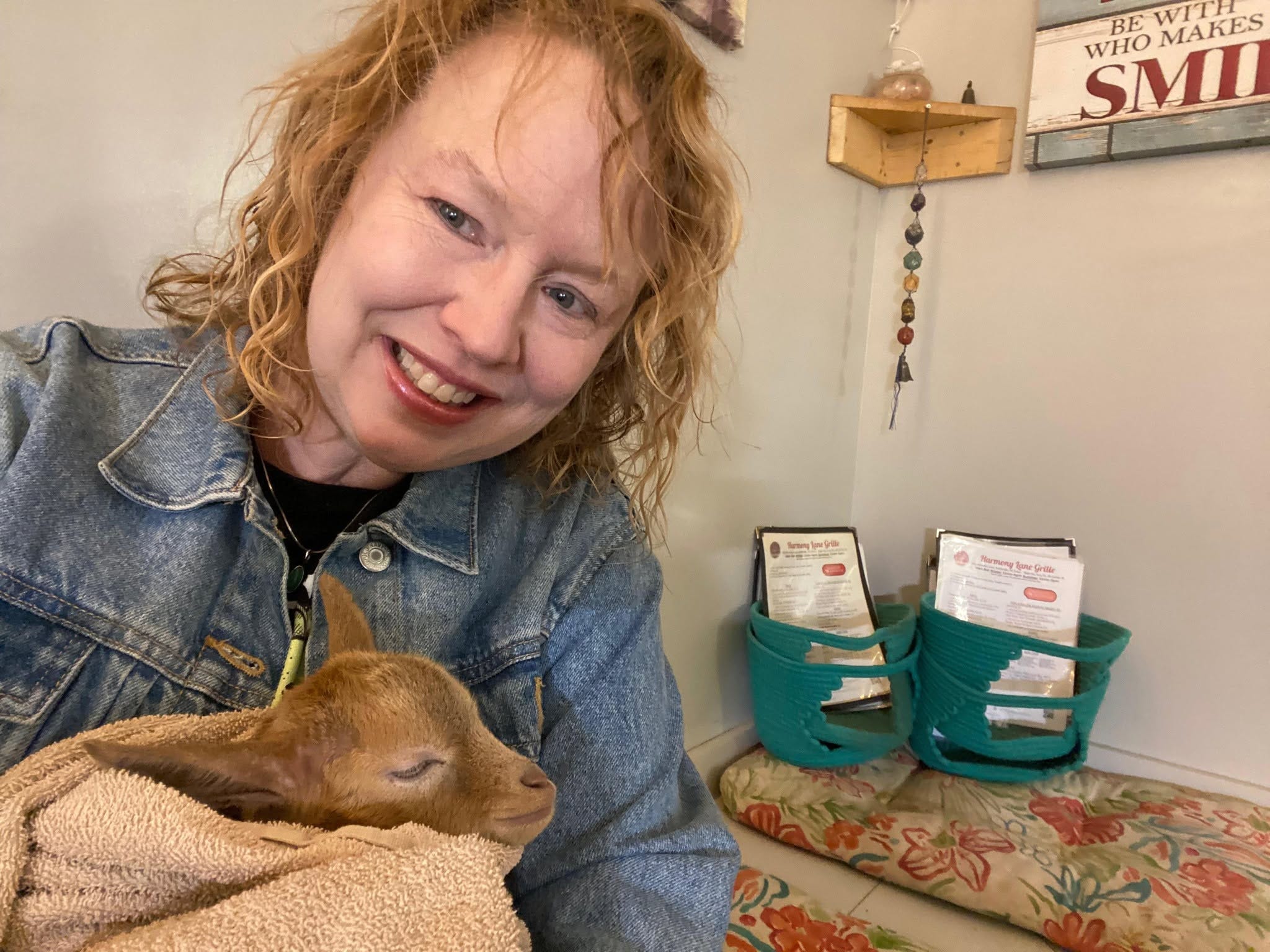
I feel so deeply angry about how little time Stephanie had. In so many ways, her story is one of what oppressive systems take from us. I hope her story is a cautionary tale that the time to act is now. That there is a real cost to living your life as a woman-appliance. So often, we see stories of women who are treated as living accommodations dismissed. We pretend those women are selfish, that the desire to live a full life is a first-world problem, that only privileged women care about being treated as people who matter.
Stephanie mattered, yet she spent a lot of her life being treated only as an accessory. She did not get to do everything she could have done. We cannot calculate what we have lost, because what we have lost was only just beginning when she died.
Living primarily as a mother, though, is no tragedy, especially when you do it as Stephanie did.
One of the most important insights of my work is that there is no such thing as “just a mom.” Motherhood involves millions of moments of deep meaning, of intellectual labor, of skill. It is one of the most important and valuable things a person can do. Motherhood is activism, and Stephanie lived her motherhood first and foremost as an activist trying to change the world.
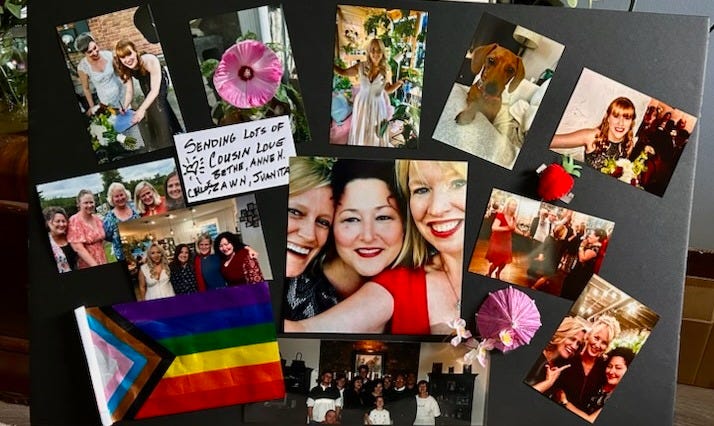
When her first birth introduced her to the horrors of the US maternity care system, she planned a homebirth for the next. She drew from her well of strength and did it. It changed her forever. I think that birth was the beginning of Stephanie’s transformation from an awkward, compliant young woman to an unstoppable force of an elder.
Stephanie taught me to never devalue the labor of labor, and to acknowledge and feel proud of the strength it takes to straddle the line between life and death. It is largely because of her that I was able to deftly advocate for myself during my own births.
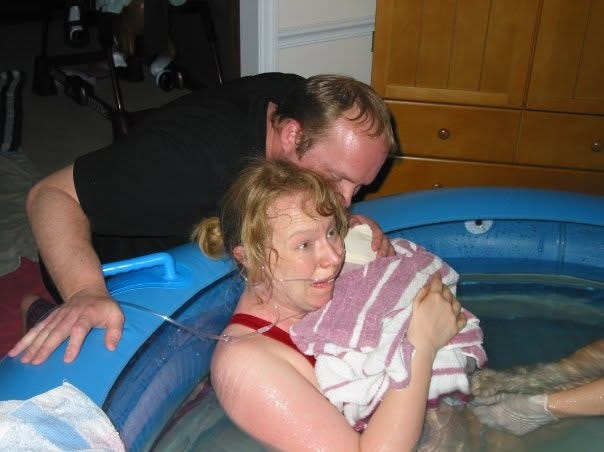
She raised her children to be brilliant and deeply good. They are both. She is leaving behind two teenage boys who have a very challenging road ahead of them. I am confident they will be all right, because of the rock-solid foundation their mother built under them. They will change the world for the better, just like their mother did.
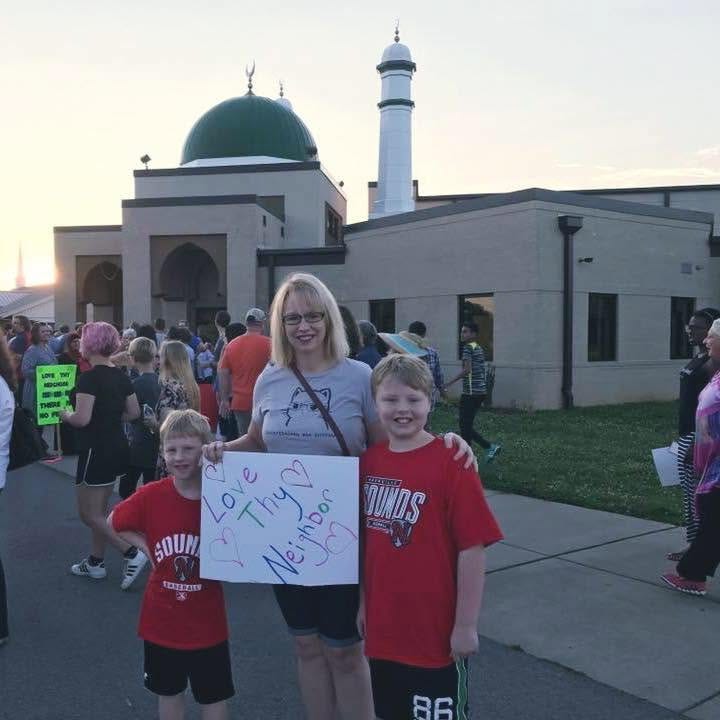
One of our most fundamental human impulses is the desire to feel important. Most of us crave this form of power. We want to be special. We want to be the most loved, the most admired, the most respected, the most knowledgeable. We tell people about our giftedness or our vacations. We brag about our achievements or our busyness. We want people to know who we know, or what we know. We condescend to others, stomping them in our desperate attempts at relevance.
When of course the truth is that even for the most accomplished among us, the things we have done are unlikely to impress anyone after we’re gone. Even history’s greatest leaders only warrant a sentence in a textbook a few hundred years later.
What matters most, what matters only, what matters longest is what we leave behind in those who loved us—and in those who come after them, and love them. Stephanie’s great great great great grandchildren might never know her name, might never see her as a person who accomplished much, but they will exist because of her. And their parents and grandparents will have had a better chance at a loving and happy life because of the love she poured into her children and her community.
Stephanie never had the desire to feel important. To sit with her was to sit with humility and grace—and to, yourself, feel important because of Stephanie’s gentle love.
This is the beauty of an ordinary and well-lived life: that it’s not actually ordinary at all.
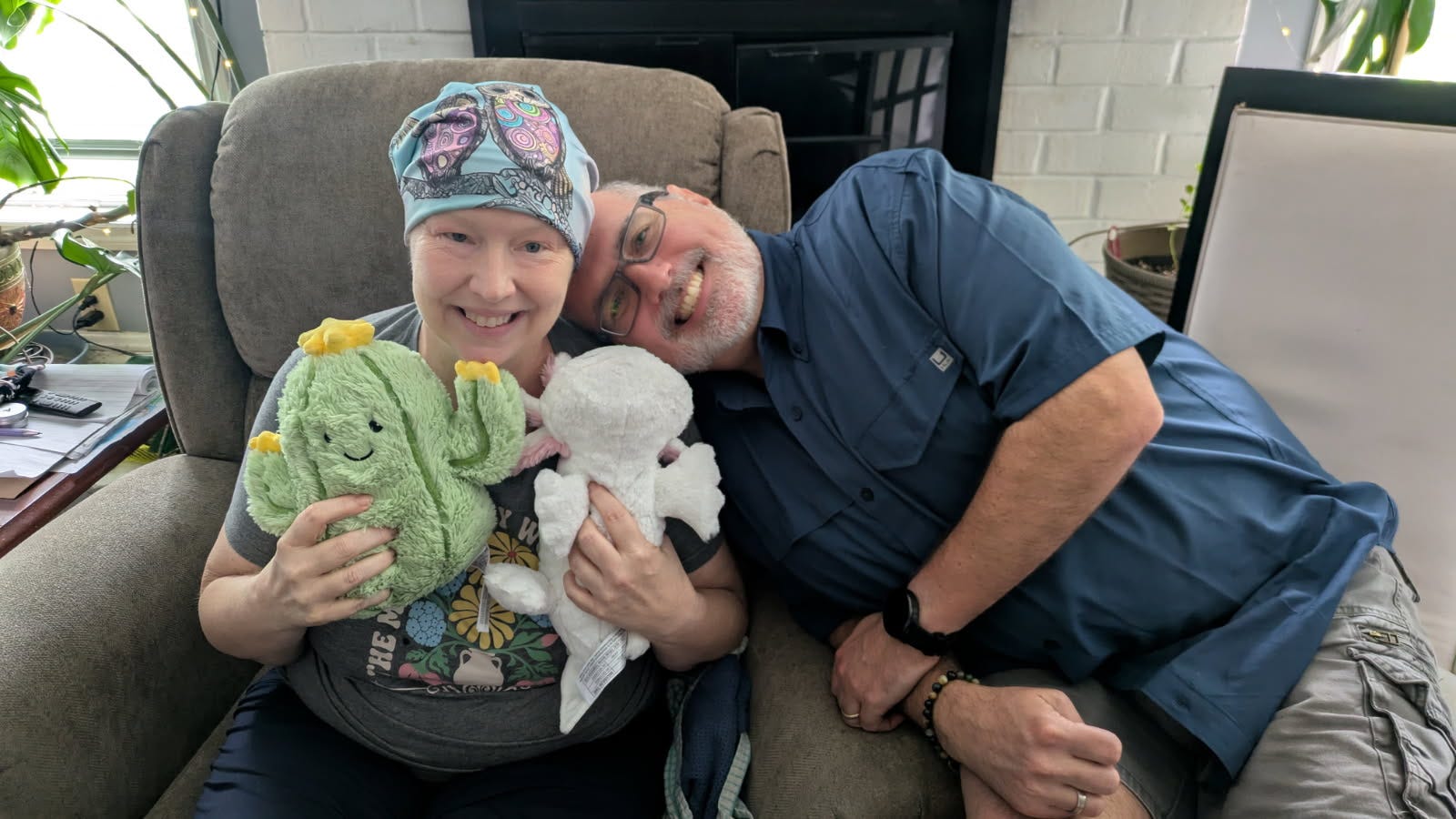
The challenge of eulogizing anyone is that anything you write will inevitably be very much about yourself. You cannot remove yourself from the story, which poses the difficulty of acknowledging your role without making another person’s life story about you, what they did for you, how they affected you.
We really only exist as human beings in relation to community, though, which means there is no single, pure, story of anyone’s life. We can’t meaningfully exist without others. Nevertheless, I wanted to share a few of Stephanie’s own words, from the very last posts she made to Facebook prior to her death:
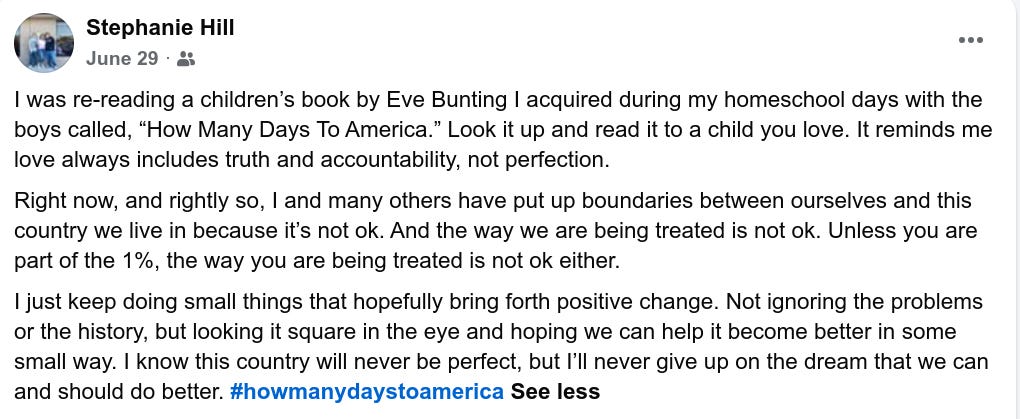
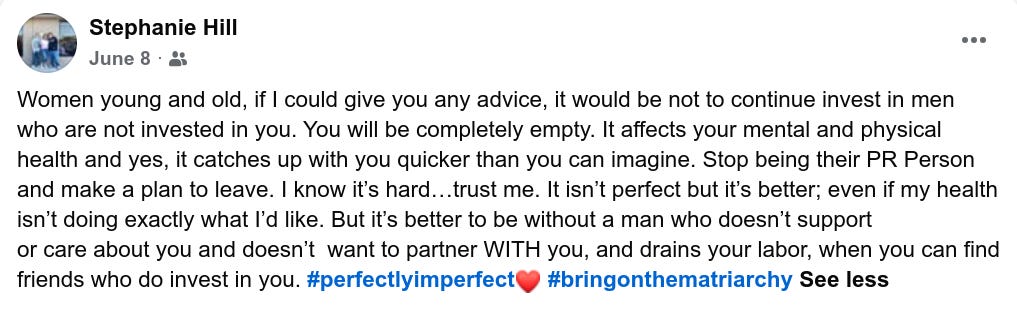

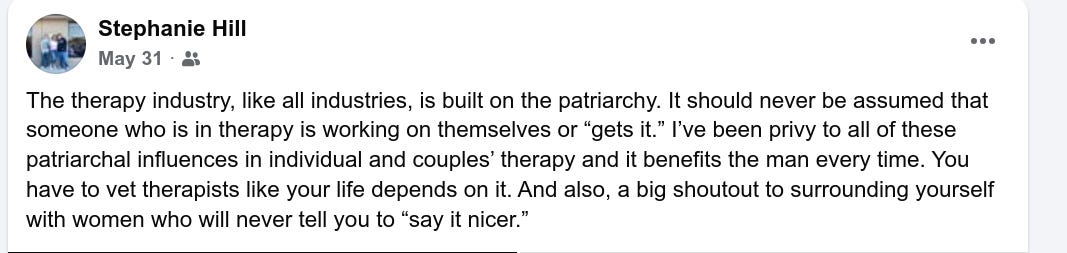
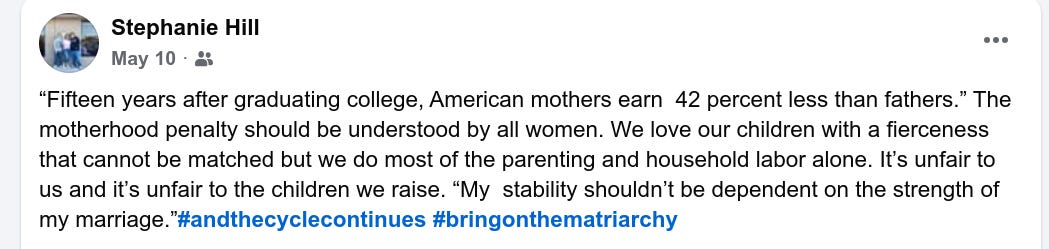

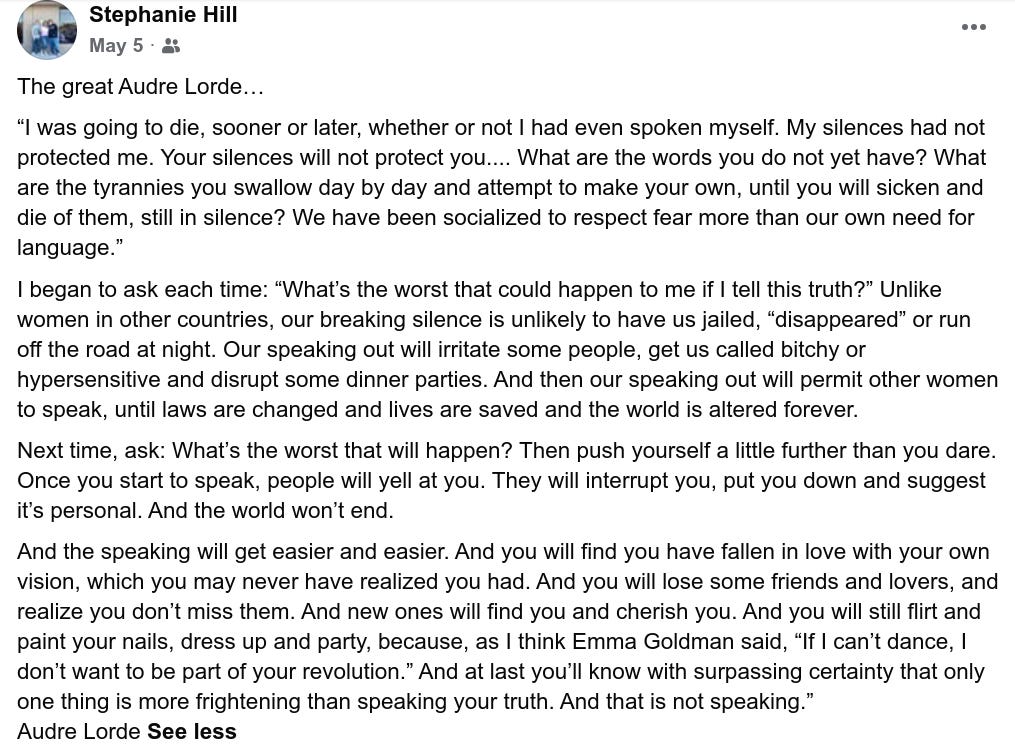
This is my version of the story of Stephanie’s life. I can’t, and won’t, pretend that it captures all that she was or could be, or that it represents some ultimate truth. This is the frustration of eulogies: they’re never full enough, never comprehensive, perhaps never even really true in any way that matters. I cannot remove my perspective from the story, because I cannot remove myself.
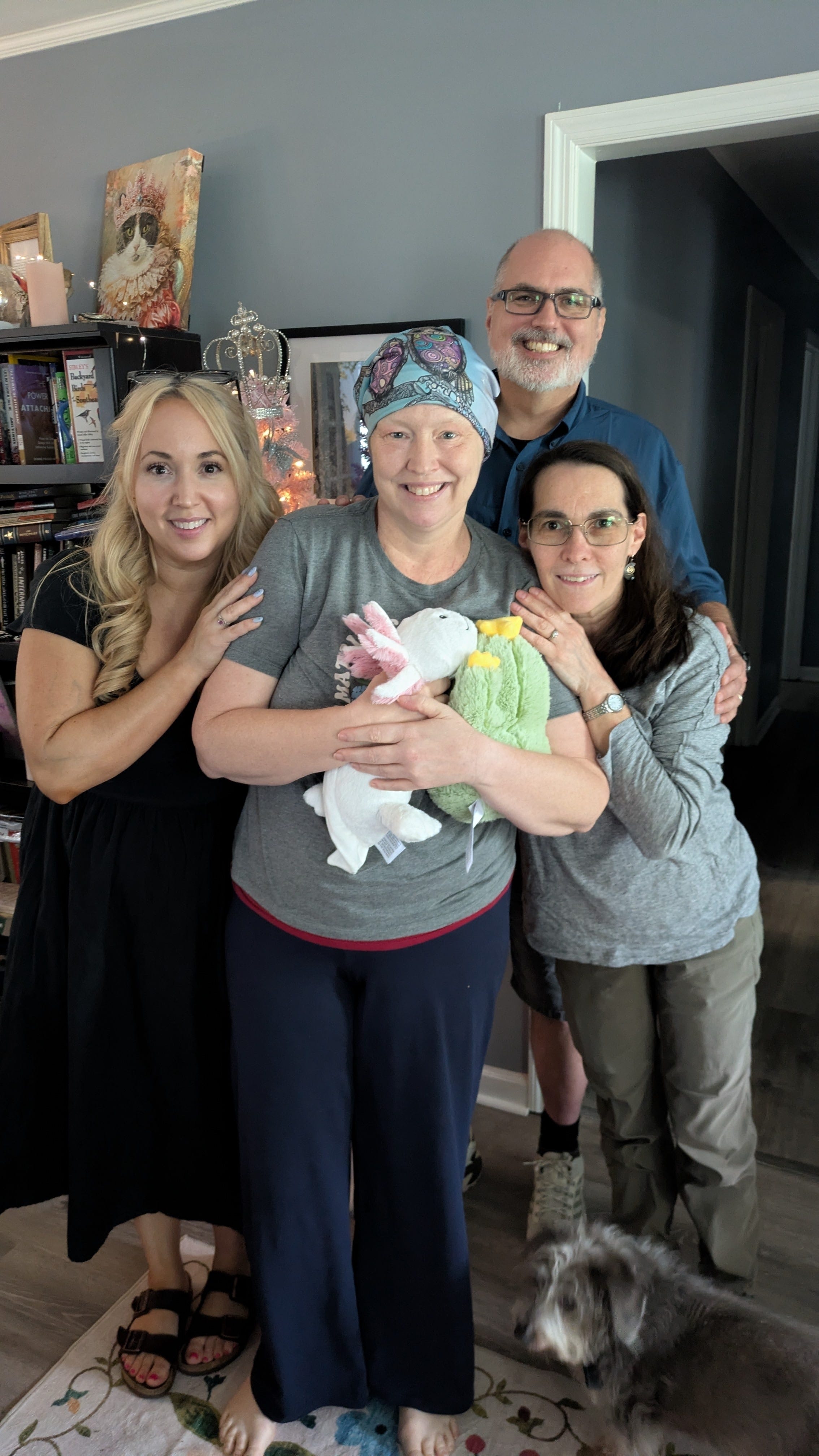
And I’m so glad that I don’t have to. Because having Stephanie in my life has been one of my greatest honors.
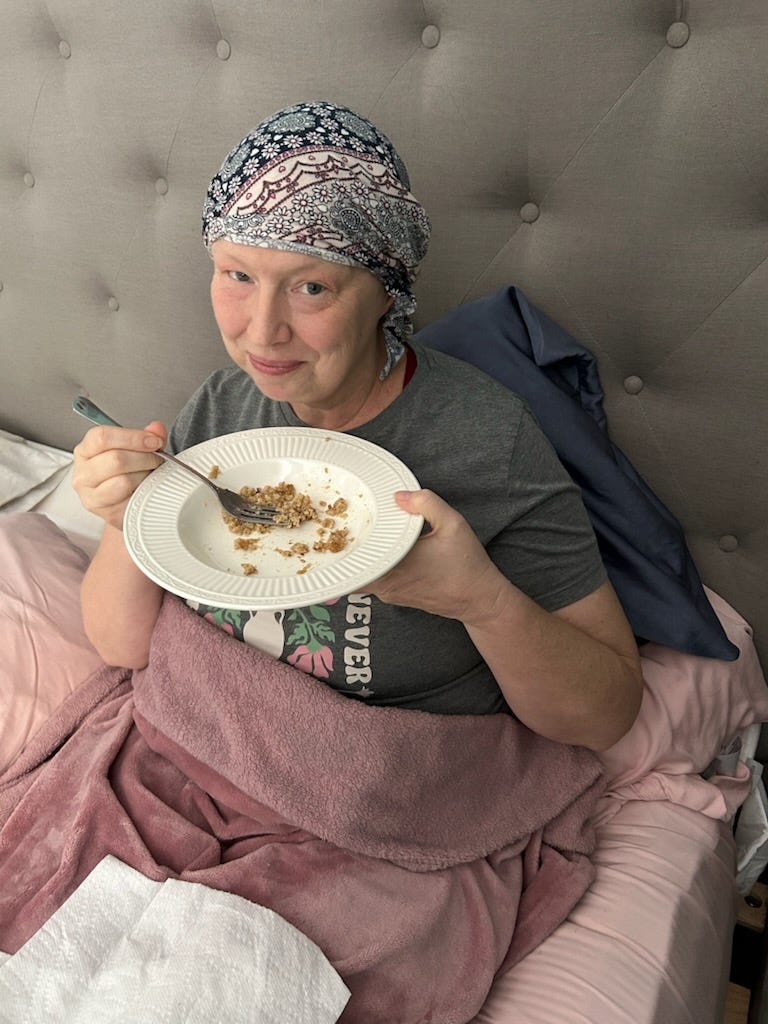
I love you forever, my precious cousin. Your life has greatly enriched mine, and so many others. Now go fertilize the Earth that you fought so hard to defend. You did so well.
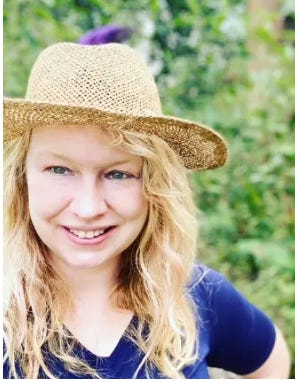
This is such a beautiful tribute. You can see the light in her eyes and the joy in her smile. You gave her a beautiful sendoff. My condolences on your loss.
Thank you for writing and sharing this. She is amazing.